Fernando Botero died on September 15, 2023, at the age of 91. For more than six decades he painted, drew, and sculpted a single subject: the human body, swollen into impossible abundance. Critics named the style Boterismo. Botero preferred a simpler word. He called it volume.
A Botero nude is round, soft, and monumental. She is not the slender ideal that Western art spent centuries dieting toward. She carries the weight of a mountain and the ease of someone entirely at home in her own flesh. In a tradition that taught artists to trim the body, Botero handed it back its mass.
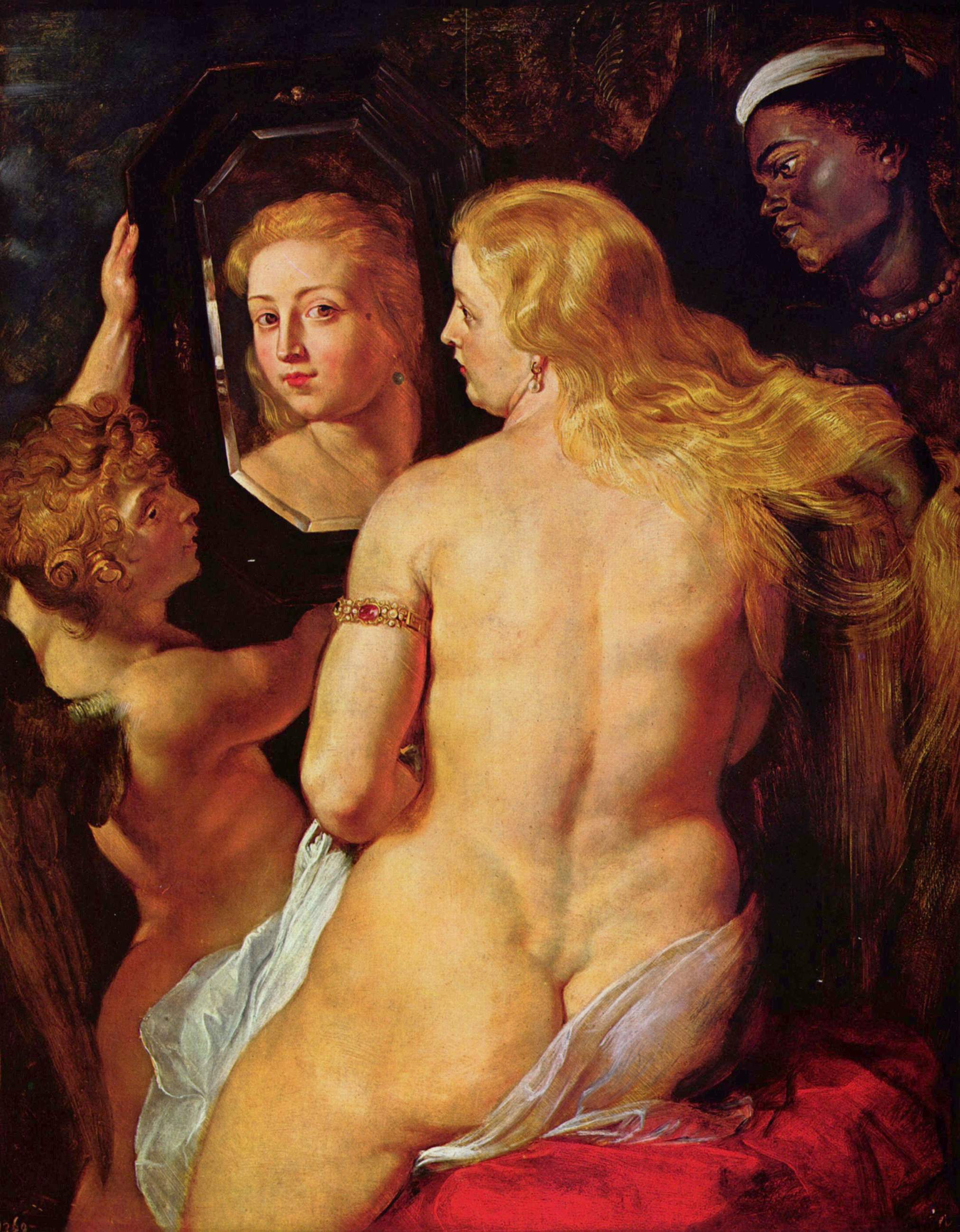
He resisted the idea that his figures were comic. What interested him, he insisted, was volume. The distinction carried real weight. His nudes are dignified, tender, and often majestic, the way a Rubens Venus is majestic. The lineage is direct. Botero studied Rubens and Goya in Madrid, copied the old masters in Florence, and absorbed the fleshy abundance of the Baroque nude before he ever pushed it further.
Botero was born in Medellín in 1932. His father, a traveling salesman, died when Fernando was four. He won his first art prize at sixteen and spent his twenties arguing with the abstraction that ruled the postwar avant-garde. While his contemporaries dismantled the figure, Botero doubled down on it. The body, he insisted, still had something to say.
The nude became his signature: women bathing, women at their toilette, women lounging, couples embracing. He painted them with a Colombian eye and a Baroque hand, then, beginning in the 1970s, cast those same generous bodies in bronze. His sculptures now occupy public squares from Paris to Park Avenue, where they still stop pedestrians in their tracks.
Tenderness is what critics most often miss. Botero’s bodies are exaggerated but never mocked. There is no cruelty in his roundness. He painted the abundant body with the affection of someone defending it, and in a culture that still ties thinness to virtue, that defense has lost none of its force.
Three years after his death, Botero’s figures still claim the space they were denied for so long. They stand as a monument to the idea that the body needs no one’s permission to be large.