Howard Pyle invented the way the world pictures a pirate. The tricorn hat, the buccaneer’s sash, the Jolly Roger flying over a broadside: that whole visual grammar came out of a single studio in Wilmington, Delaware. When Pyle died on November 9, 1911, in Florence, he left behind Robin Hood, King Arthur, and a century of American adventure pictures. What those pictures almost never showed was a naked body.
The nude was the engine underneath all of it. Pyle began teaching at the Drexel Institute in 1894 and later opened his own school in Wilmington, where a generation of American illustrators learned the trade. N. C. Wyeth, Frank Schoonover, Thornton Oakley, and dozens more passed through that studio. The lesson Pyle drilled first, before any pirate or knight reached the drawing board, was the human figure. His students drew from the live model. They learned the body’s structure and weight before they draped it in a coat or strapped it into armor.
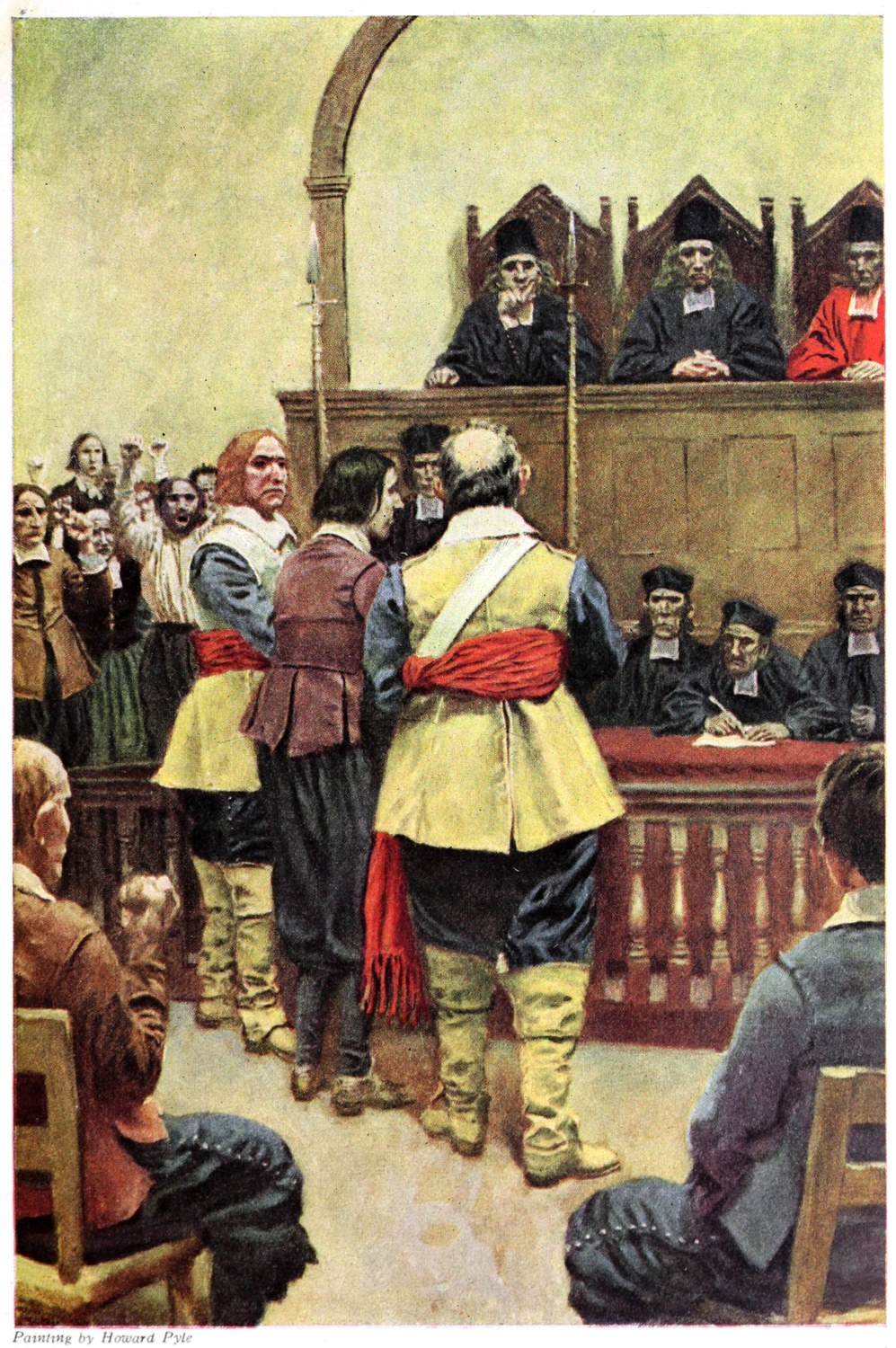
Pyle’s reasoning was blunt. A hero who looked convincing in a doublet had to be a body first. The costume would sit wrong and the gesture would ring false unless the artist knew what the shoulder and the hip were doing underneath. The clothed body was a translation. The nude was the original language.
Every so often, the scaffold showed through in Pyle’s own hand. His drawing of the Lorelei, the German siren who sang sailors onto the Rhine rocks, is one such moment. A nude figure stands on a stone, lyre in hand, her long hair doing the covering convention required. Below her, a drowning man reaches up from the waves. It is a fable about the danger of the female body, drawn in the grammar Pyle taught: the figure comes first, bare and precise, and the narrative and the fabric close over it afterward.
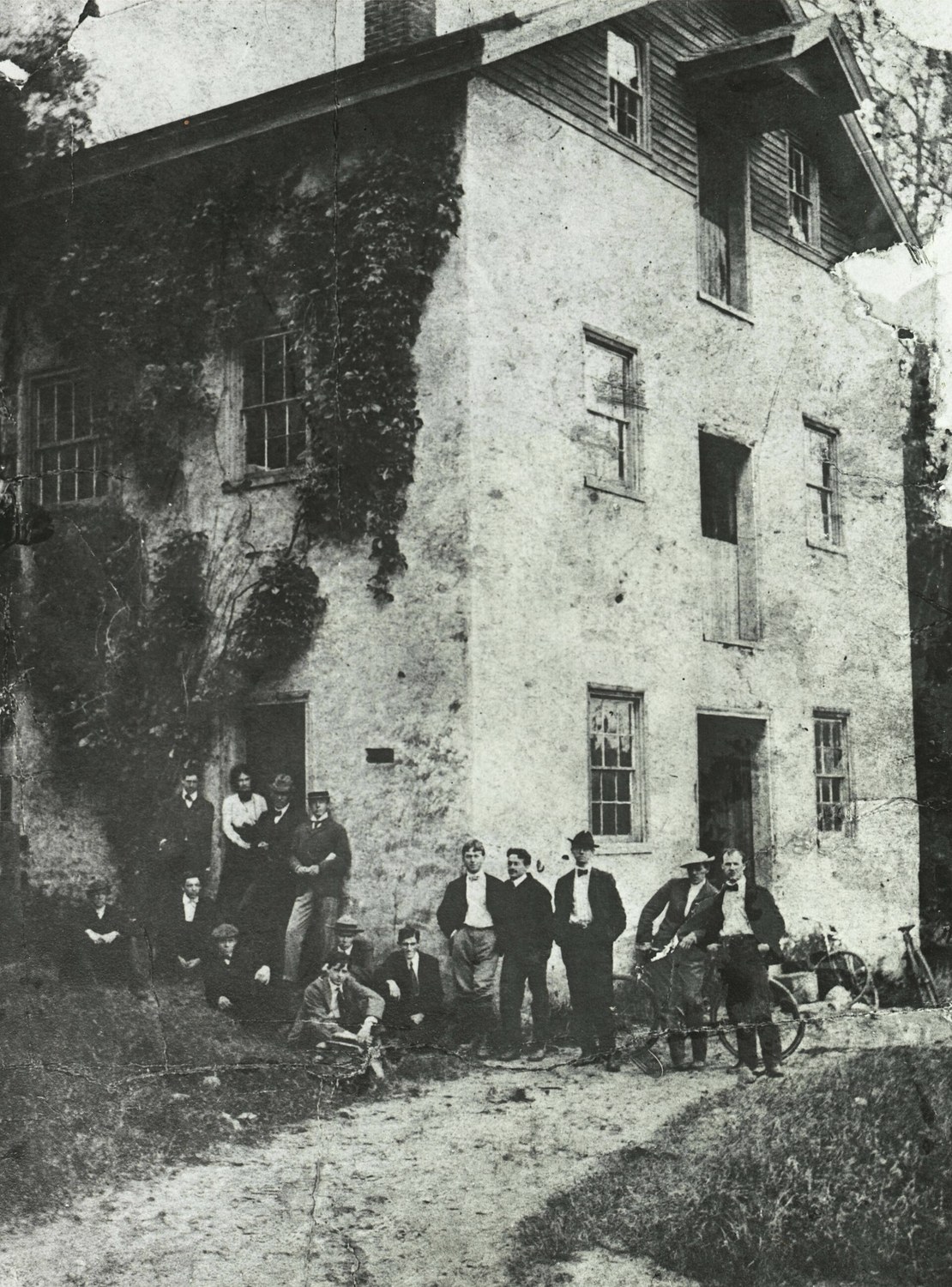
That discipline shaped American illustration for decades. Wyeth carried it into his own teaching and then handed it to his son Andrew. The heroic bodies that filled the magazine pages and book jackets of the next century, the cowboys and buccaneers and knights, all stood on a foundation Pyle laid: a body understood from the inside before it was dressed for the outside.
Pyle died before he finished the mural studies that had brought him to Florence. The method survived him. The nude stayed behind the scenes of American illustration, a private syllabus for a public art form that would spend the next hundred years pretending the body mattered only as a costume’s support. Pyle knew better, and he made sure his students did too.