Egon Schiele died on October 31, 1918, of the Spanish flu. He was twenty-eight. The pandemic had taken his wife Edith three days earlier; she was six months pregnant. Schiele drew her as she lay dying, then followed her before the week was out.
He left behind the most unguarded nudes of his century. Where the academy smoothed the body into an ideal and hid it behind myth, Schiele drew flesh that was thin, angular, and exposed. His figures sit and sprawl without the armor of beauty. They are laid bare, and they know it.
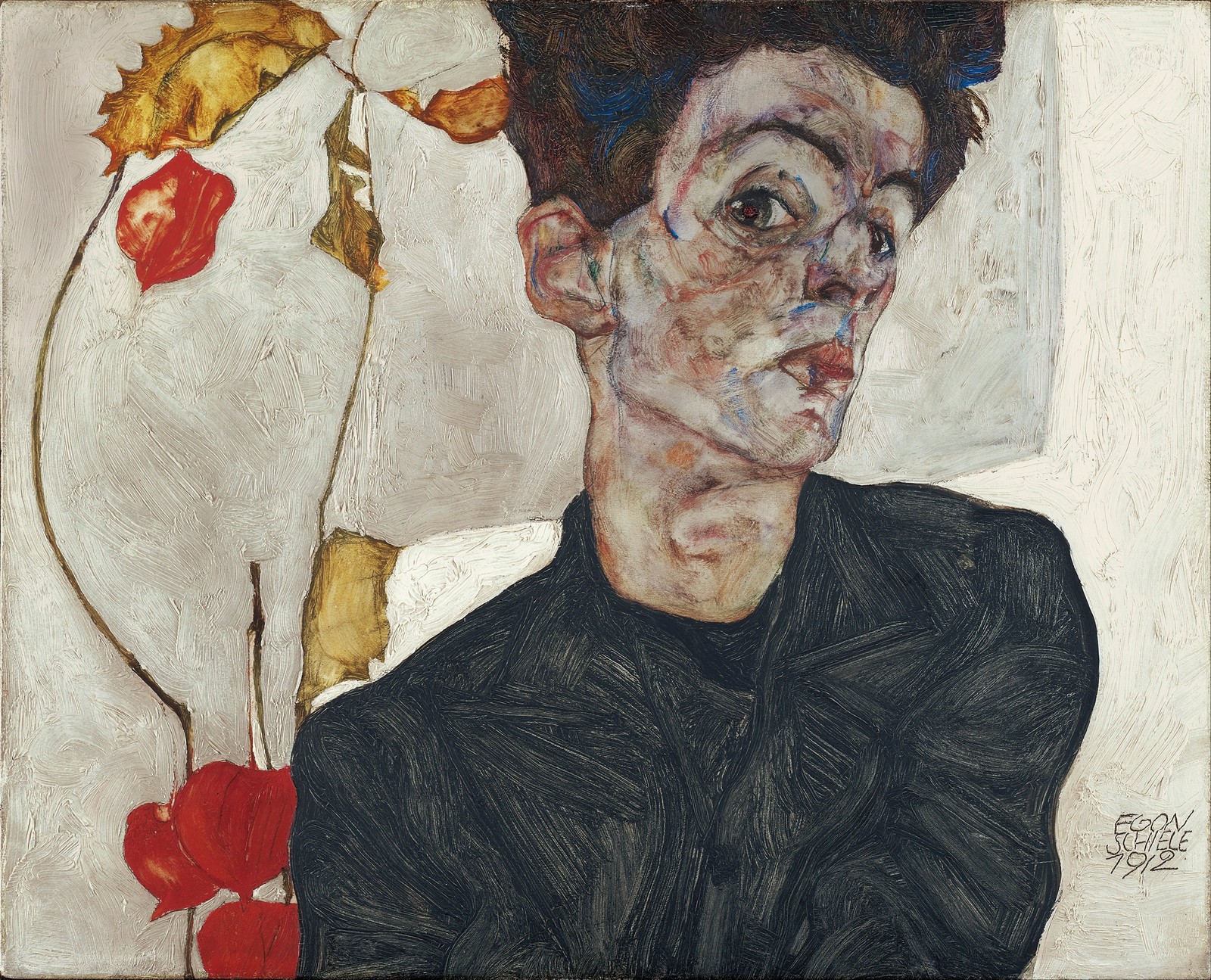
He aimed the same eye at himself. Dozens of self-portraits show a young man contorted, naked, willing to look broken. For Schiele the body was the one subject that could not lie, so he painted his own without mercy.
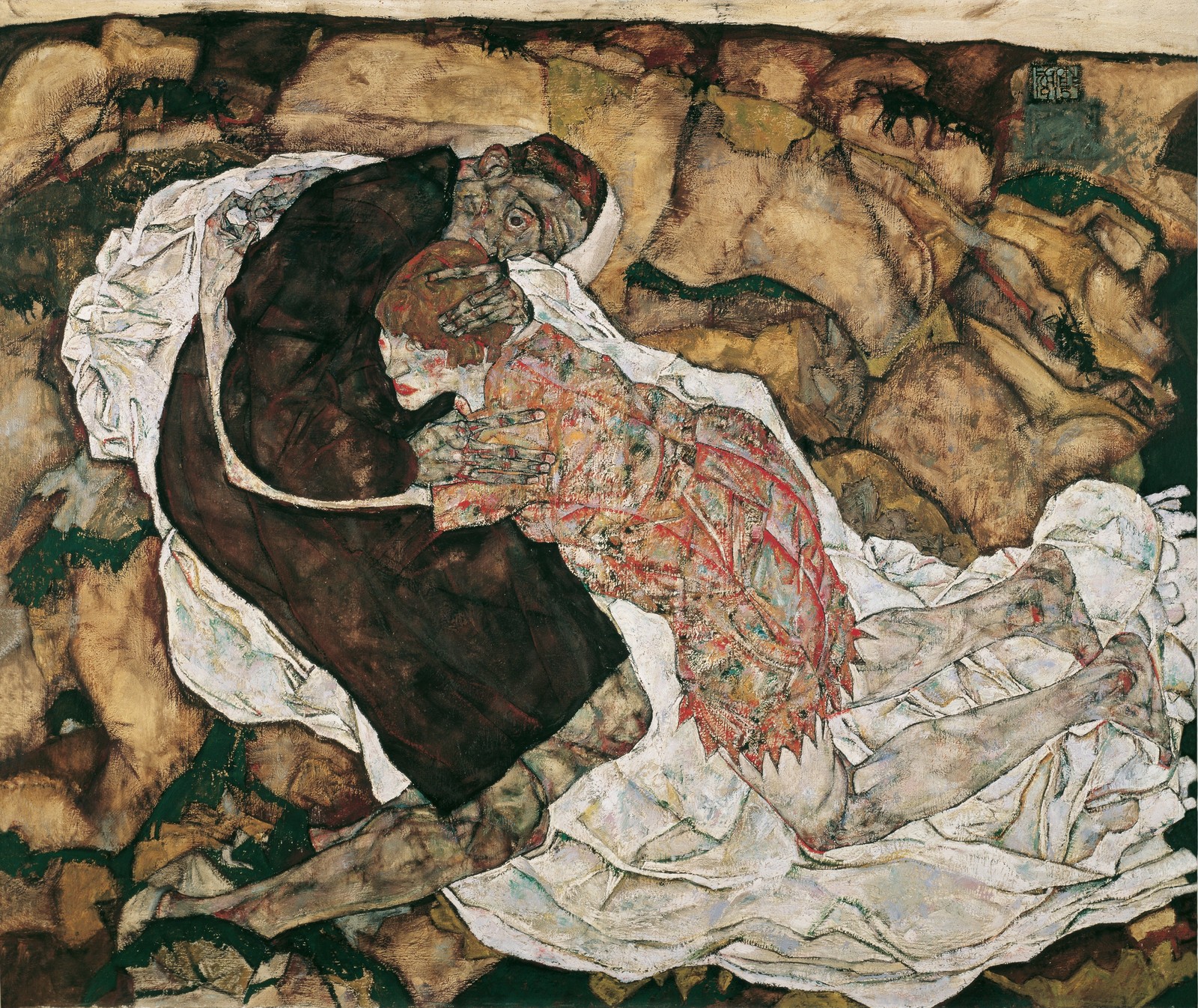
Death and the Maiden, painted in 1915, names the shadow over all of it. A woman clings to a figure who is half lover and half skeleton. Schiele finished it three years before the flu found him. The painting reads now as a rehearsal.
Schiele’s nudes still unsettle because they refuse flattery. He returned the figure to its fragility: the jutting hip, the exposed shoulder, the body that will age and end. A century on, every painter who sets the nude free of the ideal is walking through a door Schiele left open.
He had barely a decade of work. He spent it painting the body as it is: mortal, unguarded, alive for a moment. The flu took him on the last day of October 1918. The nudes stayed.