The most effective censor in the history of art measures about six inches and weighs almost nothing. The fig leaf has kept the nude covered for five hundred years, with a consistency no pope, no council, and no algorithm has matched.
The leaf begins in the book of Genesis. When Adam and Eve eat the fruit, their first reflex is to cover. They sew fig leaves together and make loincloths. Shame arrives before punishment, and it arrives as a leaf. The fig leaf signals a specific idea: a body, once seen, becomes a problem. That idea would shape two thousand years of Western art.
A story painted over
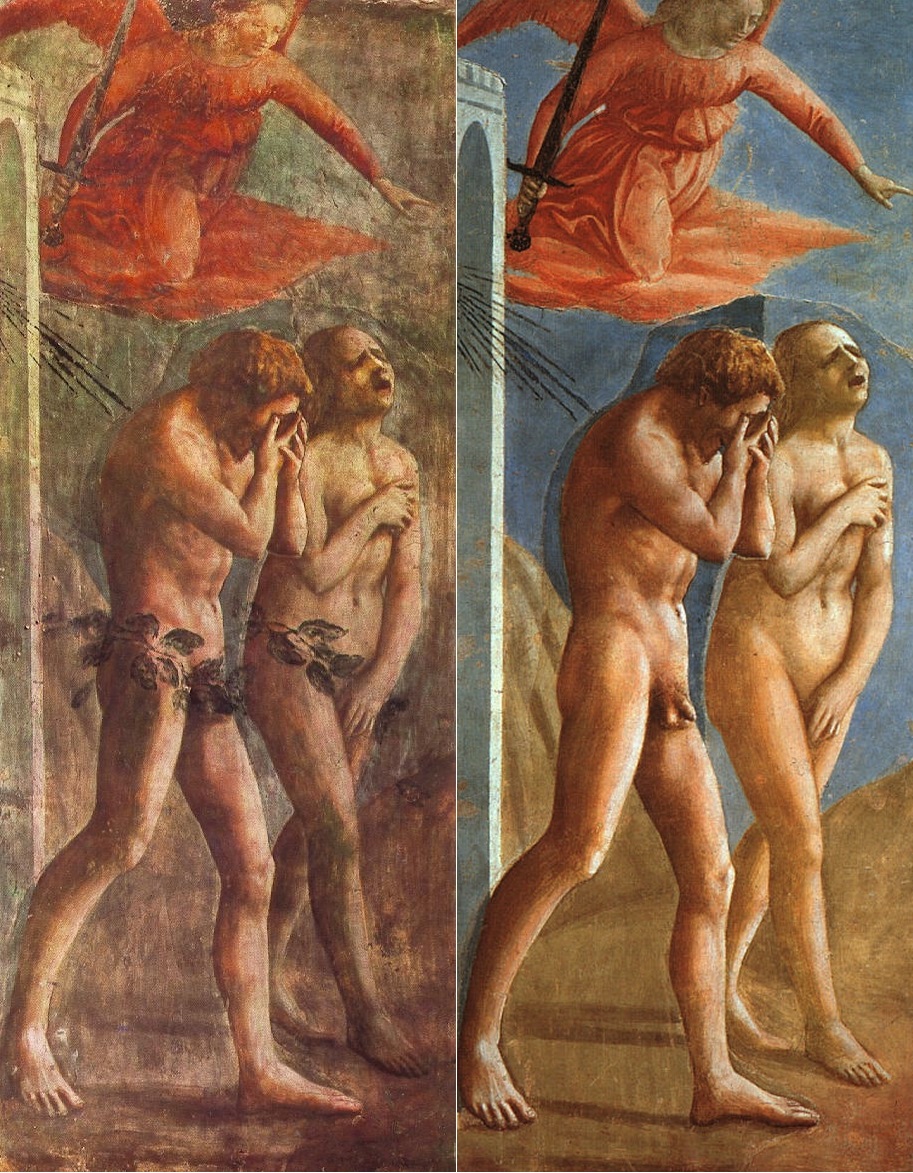
Masaccio painted the moment around 1425 in the Brancacci Chapel in Florence. Adam hides his face; Eve covers her body and wails. It stands among the most human images of grief ever painted. Masaccio left both figures nude. The censors would not. In 1652, almost two centuries after the artist’s death, the Grand Duke of Tuscany ordered fig leaves and branches painted over the pair. Nudity in a story explicitly about nakedness was judged too much. The leaves stayed until a 1980s restoration stripped them away and returned Adam and Eve to their original, devastated nakedness.
The breeches-maker
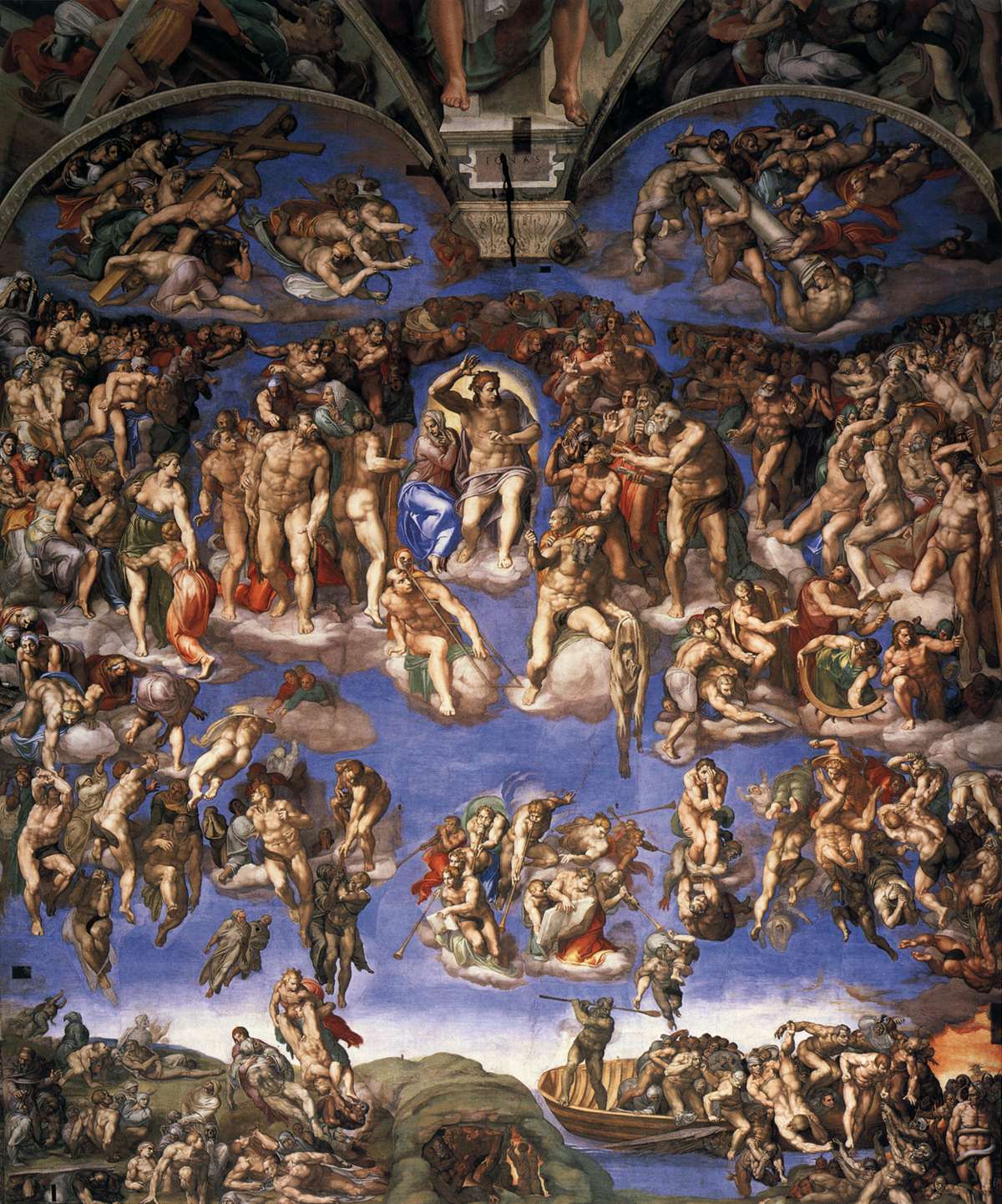
The pattern repeated at the highest level of Renaissance art. In 1563 the Council of Trent issued its decree on sacred images, banning lascivious nudity from churches. The real target was Michelangelo’s Last Judgment on the altar wall of the Sistine Chapel. After Michelangelo died in 1564, the painter Daniele da Volterra added drapery and loincloths over the nude figures. The job earned him the nickname Il Braghettone, the breeches-maker, a name that has outlived most of his own paintings. Modern restorers removed most of da Volterra’s additions, but the gesture endures as the definitive example of art edited after the artist can no longer answer.
A removable leaf
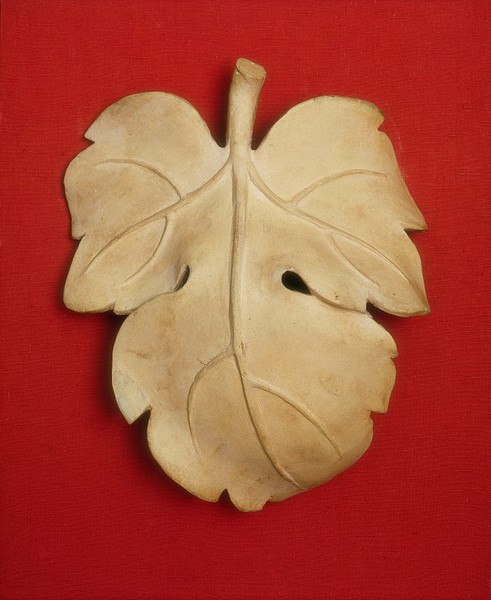
The leaf reached its logical conclusion in Victorian England. In 1857 the Grand Duke of Tuscany sent Queen Victoria a full-size plaster cast of Michelangelo’s David. The nudity caused enough discomfort that a detachable plaster fig leaf was commissioned from the London firm D. Brucciani & Co., sized to cover David’s genitals. The leaf hooked on for royal visits and lifted off again. It survives at the Victoria and Albert Museum in London as a small, absurd, perfect monument to the idea that a body can be censored with a single accessory. A leaf you can put on and take off makes the censorship visible. It turns a rule into a prop.
The leaf moves into code
None of this ended in the nineteenth century. The fig leaf moved into software. When a social platform flags a classical statue as adult content, or an algorithm blurs a Botticelli, it repeats da Volterra’s gesture with better tools. The leaf is now made of code instead of plaster. The question it has always asked stays the same: who decides what a body is allowed to mean, and why is covering it so much easier to enforce than explaining it?
The fig leaf is small. The question it raises is not. Every nude in the history of art carries a leaf somewhere in its past, painted on by someone certain they were improving the picture. The leaf improved nothing. What it exposed, with perfect clarity, was the anxiety of the person holding it.