Alexandre Falguière was born 195 years ago today in Toulouse, and for three decades he was the French art establishment’s favorite pair of hands. The state commissioned him, the Salon showered him with medals, and his goddesses and nymphs filled the public squares of the Third Republic. He was the man you called when the nude needed to look official.
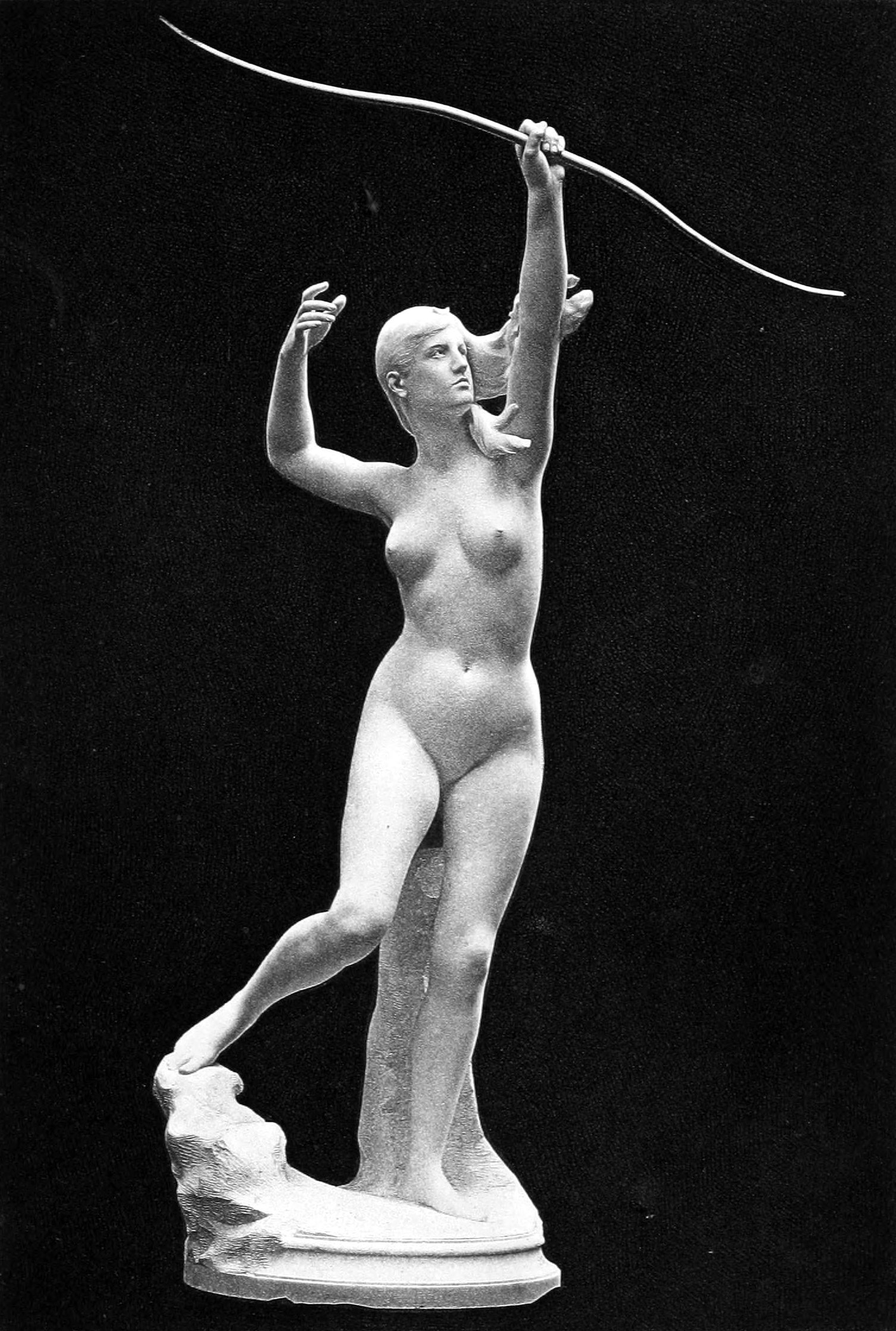
Look at his Diana of 1882, a life-size marble now in Toulouse. The goddess stands with her bow, one foot advanced, every muscle smoothed into an academic ideal. This is the nude as the nineteenth century preferred to keep it: classical, mythological, safely anonymous. No real woman’s name attaches to it. Diana belongs to no one, so everyone can look.
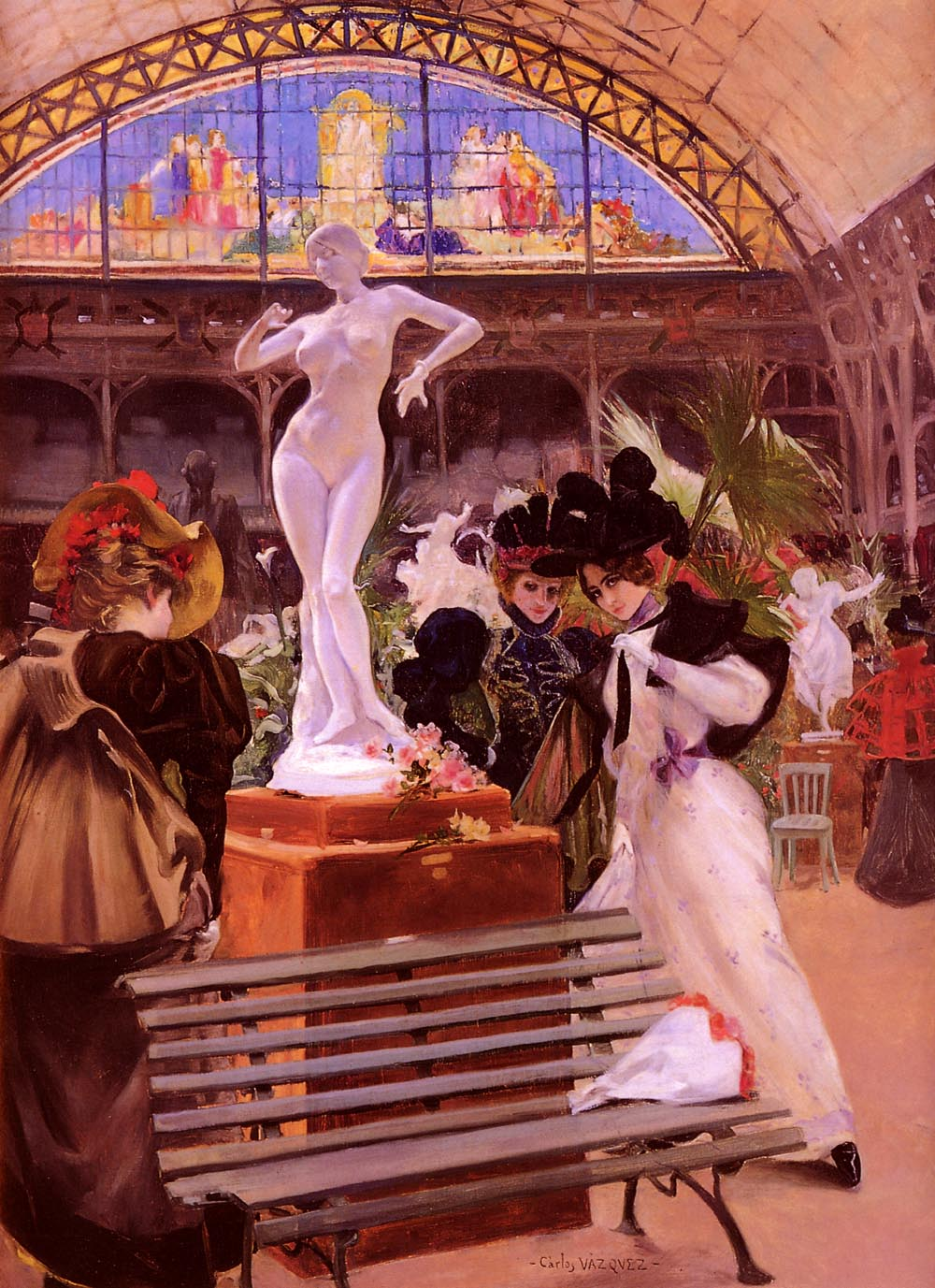
Then, in 1896, Falguière made a nude that was neither goddess nor allegory. He made The Dancer, cast from the body of Cléo de Mérode, the most photographed woman of the Belle Époque, a living dancer whose face and name were already everywhere.
Paris lost its composure. Here was a famous, living woman presented in the pose the academy had reserved for Venus and Diana. The press feasted. Mérode later insisted she had posed only for the head and the hands, and that the body belonged to another model, but the ideal had already cracked. The nude had a name, an address, a career.
That episode holds the whole tension of the nude. The academic nude had always worked by distance: mythology, allegory, antiquity, anything to keep the body at arm’s length from the woman who stood in the studio. Falguière’s Diana could be admired because she was fictional. His Dancer unsettled Paris because she was real.
Falguière spent his last years holding both ideas at once, the ideal and the real, the goddess and the woman who modelled her. He died in 1900 without resolving them, because the nude never resolves them. That is why we keep returning to it. A body on a pedestal can be an idea or it can be a person, and the moment it is both, we cannot look away.